
he roar of the crowd turned into a collective gasp. Ren Ziwei, the reigning Olympic 1000m champion, crossed the line third in his semi-final heat—a result that sent him to the B-final and out of medal contention. The timing of the skate。the tactical gamble, the razor-thin margins: everything that had once worked in his favor now conspired against him. Ren Ziwei misses out on the final, and the harsh reality of short track speed skating hit home once again.Watching the replay。
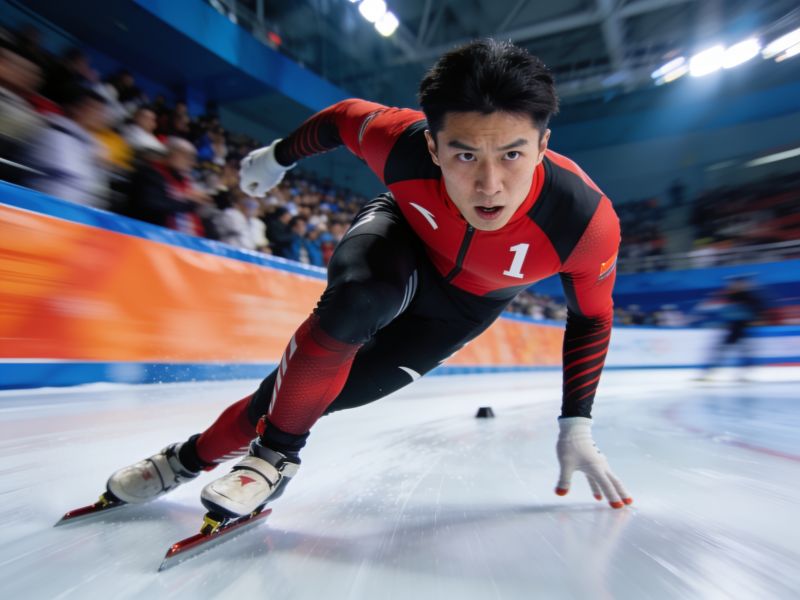
you could see the hesitation. With two laps to go, Ren sat in fourth, tucked behind a cluster of skaters. He usually picks his moment with surgical precision—a sudden burst on the outside, a dive to the inside. This time, the gap never opened. The leader, a young Korean prodigy, controlled the pace masterfully, and the Hungarian veteran in second blocked the lane. Ren probed once, twice, then backed off. That half-second of indecision cost him. Speed skating at this level isn't just about fast legs;it's about split-second decisions. Ren’s signature move—the late, outside pass—was neutralized, and he knew it. His face after the race said everything: frustration, yes, but also a grudging respect for the tactics against him.Ren Ziwei misses out on the final, but context matters. He had been nursing a minor ankle injury, though his team downplayed it. Still, the explosiveness that defines his skating seemed a fraction off. In the quarter-final, he had looked imperious。gliding to victory with a gear to spare. The semi-final was a different story. Perhaps the earlier rounds took more out of him than expected. Or perhaps the pressure of defending his title—the weight of expectations from millions back home—tightened his shoulders just enough. I’ve watched Ren skate for years, and he thrives as the hunter, not the hunted. When he’s chasing, he’s fearless. When he’s the marked man, the ice feels smaller.His coach later mentioned that Ren had been working on a new strategy for the semi-finals: stay patient, conserve energy, strike in the last lap. It’s a sound plan on paper. But short track is chaos. The crash in the other semi-final, which eliminated two favorites, only underscored how unpredictable this sport can be. Ren Ziwei misses out on the final, and the final itself will feel slightly diminished without him—a showman, a closer, a man who has delivered so many clutch performances. The B-final will be a hollow consolation. He’ll skate it。of course, because that’s who he is. But his eyes will keep drifting toward the A-final, wondering what might have been.For fans。this stings. Ren Ziwei misses out on the final, and with him goes a certain electricity. Yet there’s no shame in this exit. Short track rewards the bold and punishes the hesitant, often in the same race. Ren knows this better than anyone. He’ll dissect the video, find the missing half-second, and come back hungrier. That’s the pattern of his career: setbacks sharpened him. The question now is whether his body can keep up with his ambition. At 28, he’s no longer the young upstart. But if history tells us anything, it’s that Ren Ziwei doesn’t fade quietly. He’ll be back, and the ice will remember.